Why winter is the sweet spot for Chemical Peels
Chemical Peels are a popular winter skin reset, and there’s a reason many providers call fall and winter “peel season.” After a peel, fresh skin can be more sensitive to UV exposure, so timing matters. In winter, days are shorter, UV intensity is often lower, and people tend to spend more time indoors, which makes it easier to protect skin while it settles. That’s why January can be a smart time to plan more intensive skin-renewal treatments—especially if you’re ready to commit to aftercare and daily SPF.
What Chemical Peels are
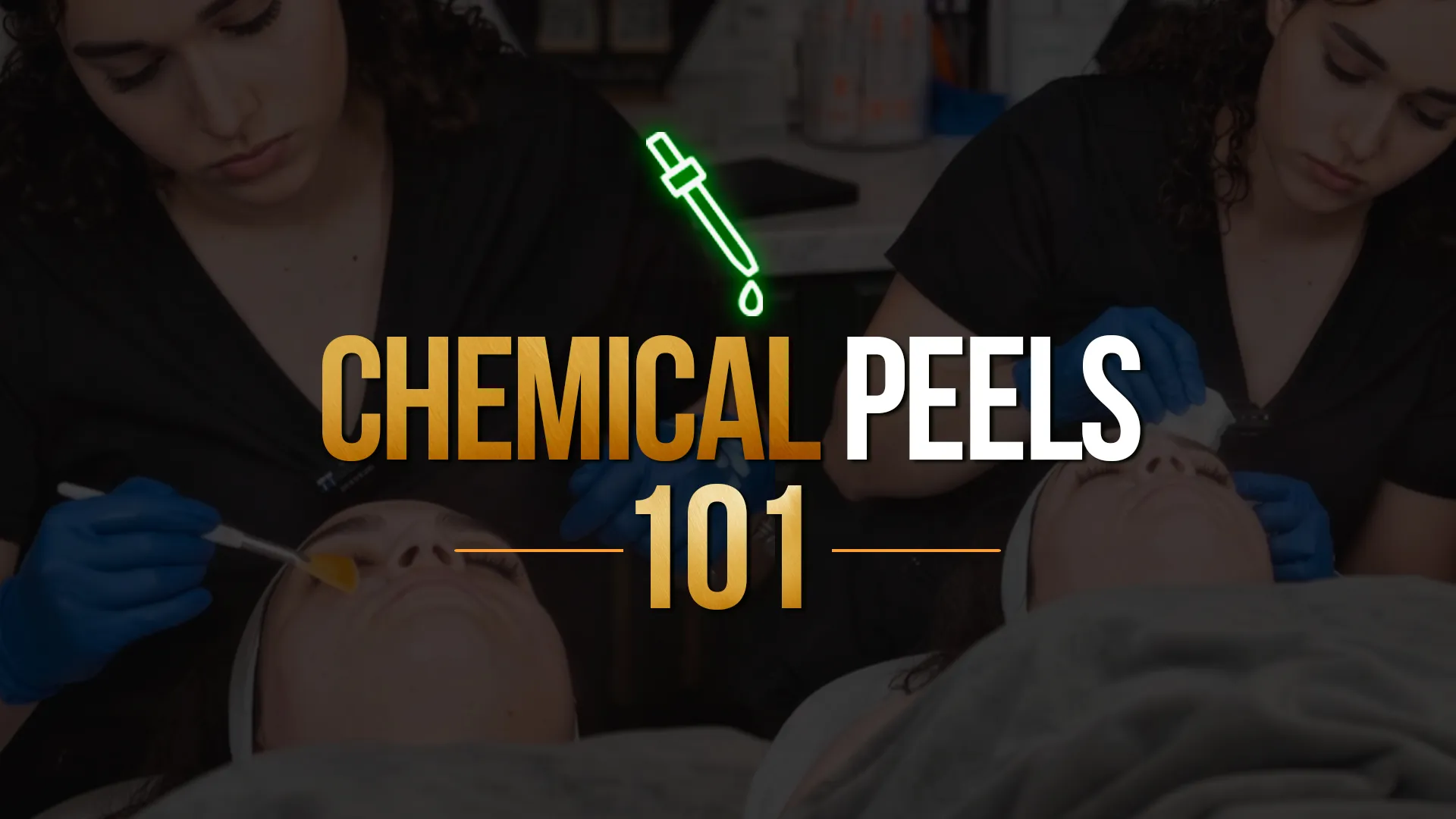
Chemical Peels are professional exfoliation treatments that help lift away dull surface buildup and support smoother-looking, more even-looking skin over time. They come in different strengths, and a trained provider selects the approach based on your skin type, your goals, and how much downtime fits your schedule. The goal isn’t to “fix everything overnight,” but to create a controlled, customized refresh that supports visible improvement with consistent care.
Types of Chemical Peels and what they target
Not all Chemical Peels are the same. In general, peels are often grouped by depth or intensity, and your provider helps match the peel to your skin’s needs and comfort level. You may hear about AHA-based peels for brighter-looking tone and smoother-feeling texture, BHA-based peels for oilier or congestion-prone skin, and multi-acid blends for multi-concern support. Because formulas and strengths vary, it’s common to start gentler and build gradually, especially if you’re new to Chemical Peels.
- AHA-based peels (often used for tone and texture support)
- BHA-based peels (often chosen for congestion-prone skin)
- Multi-acid blends (selected for multi-concern support)
Benefits of Chemical Peels
People love Chemical Peels because they can help improve the look of uneven tone, visible congestion, rough texture, and the appearance of fine lines. Winter can make these benefits feel more achievable because the environment is more forgiving while skin is in its renewal phase, and it’s often easier to limit strong sun exposure. Many people also notice that a simplified, hydrating routine feels smoother and more comfortable after exfoliation, especially when they focus on barrier support and sun protection.
Who are Chemical Peels for?
Chemical Peels can be a great option for adults who want a visible refresh without jumping into a complicated routine. They can be especially appealing if your skin looks dull in winter, if you notice uneven-looking tone after summer, or if you want smoother-looking texture before spring. That said, peels aren’t one-size-fits-all, so a professional assessment matters because sensitivity, current products (like retinoids), and lifestyle factors (sun exposure, workouts, travel) can change what type of peel makes the most sense.
What to expect and aftercare tips
A peel appointment can be fairly quick, and some describe it as a “lunchtime” treatment depending on the type and strength. Afterward, it’s normal to experience dryness, tightness, and visible flaking as skin renews. Winter can help because cooler temperatures may feel more comfortable during this period, and it’s often easier to avoid heat and long outdoor days. For best results, prioritize daily SPF, avoid intense heat or heavy sweating for a few days if advised, and keep skincare gentle with a focus on hydration and barrier support.
- Use SPF daily, even in winter
- Avoid intense heat/sweating if advised
- Keep skincare gentle and hydrate well
Conclusion
If you’ve been thinking about Chemical Peels, winter is often the easiest season to do them well. With lower sun exposure and a more controlled routine, January can be a perfect window to focus on skin renewal—while staying consistent with aftercare, hydration, and SPF.
Want to understand which peel level fits your skin and schedule? Book a consultation with our certified professionals to talk through goals, timing, and a winter-safe aftercare plan.
Disclaimer: This post is for educational purposes only and does not provide medical advice. Results vary by person. Chemical Peels may not be appropriate for all skin types or conditions. Eligibility and aftercare should be determined by a certified professional.